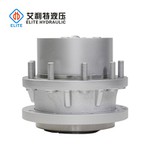


Brakes
Qingdao Elite Hydraulic Co.,Ltd was founded in 2004 . Starting from the production of power transmission component parts for European and American customers.we have evolved into an established drivetrain manufacturer.providing product solution for modern powertrains of mechanical, hydrostatic, or electrically driven designs.
We manufacture and supply high quality travel drives,slewing drives,winch drives,cutter drives,transit mixer drives,twin shaft mixer drives ,pump drives,multiple disc brake,axle,machine tools spindle gearbox,and custom drivetrain systerms for both on and off highway markets and finding application in agriculture, forestry,construction,mining,concrete, AWP,airport ,marine & offshore,wind,machine Tools and special vehicles.
Why Choose Us
Professional Team
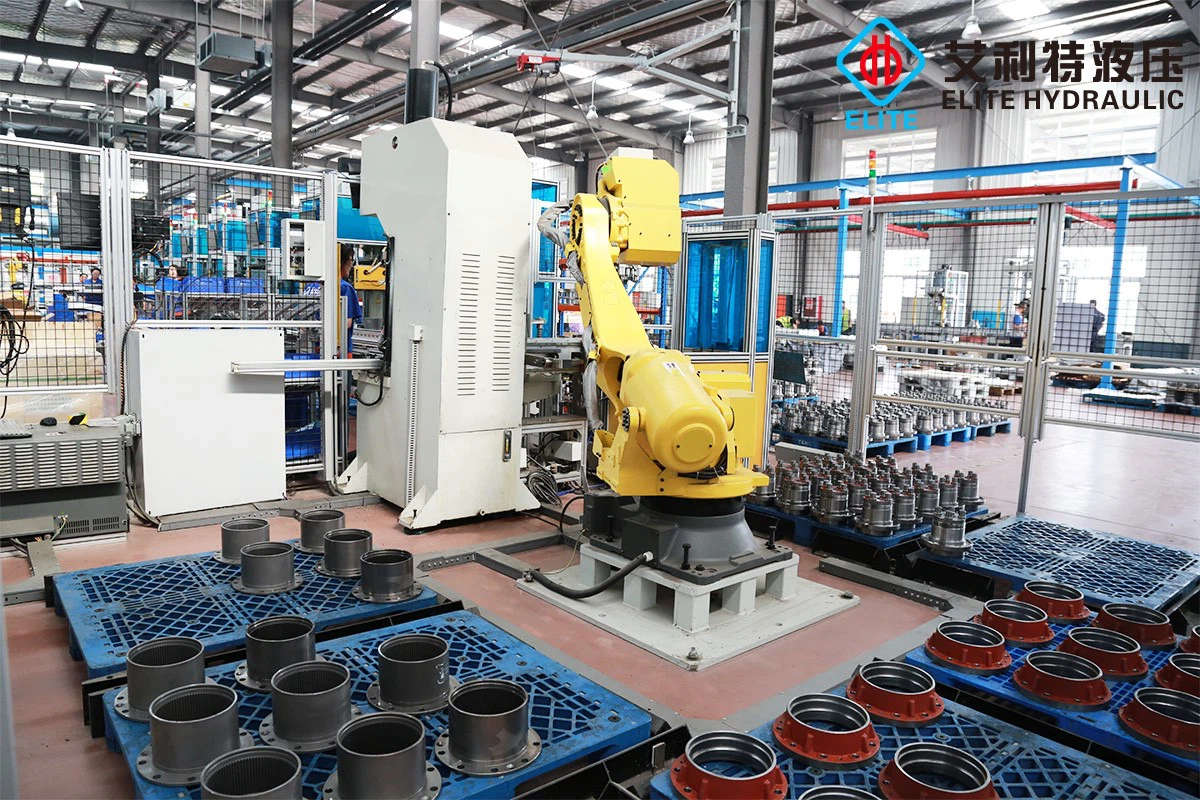
We have a strong R&D team,and we can develop and produce products according to the drawings or samples the customers offered.
Advanced Equipment
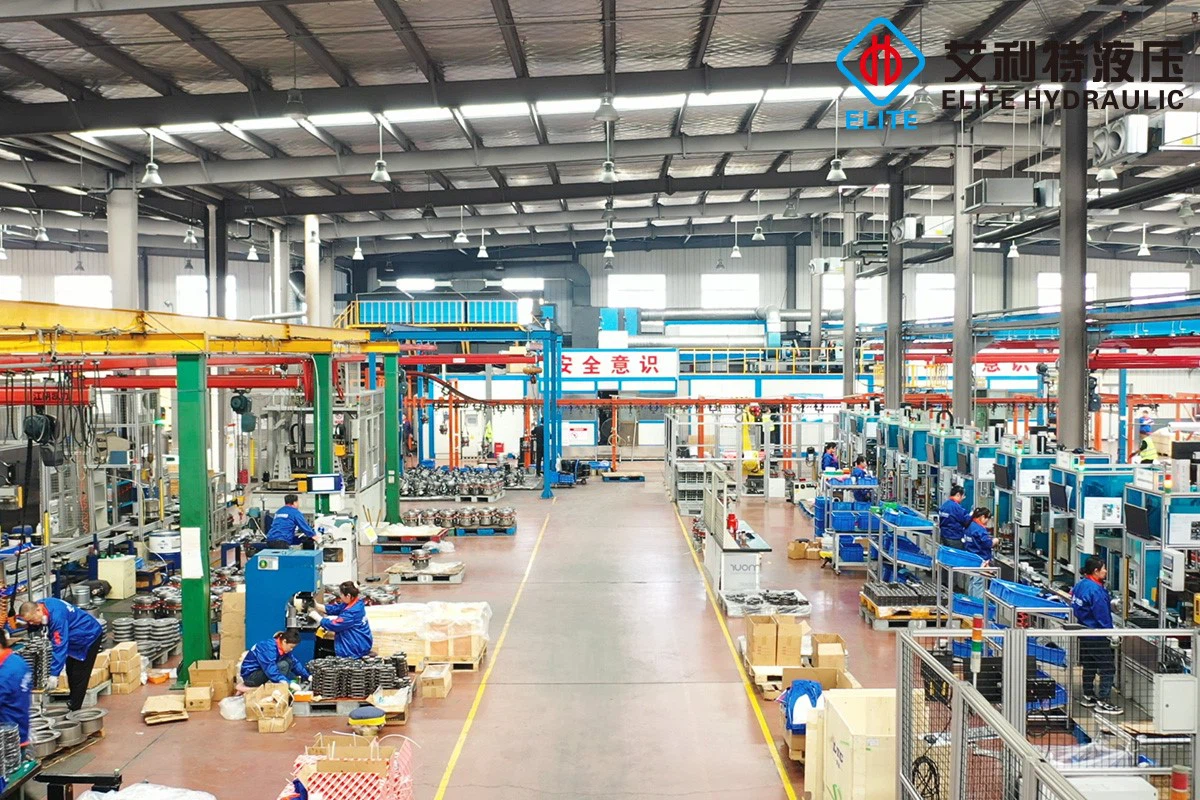
We have our own testing lab and the most advanced and complete inspection equipment,which can ensure the quality of the products.
Rich Experience
We focus on developing high-quality products for top-end markets.Our products are in line with international standards,and are mainly exported to Europe, America, and other destinations around the world.
Certificate
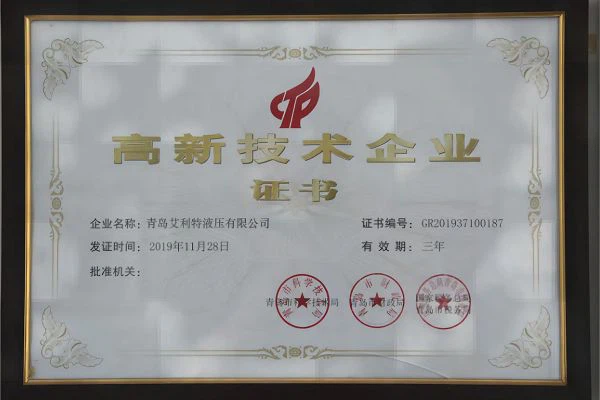
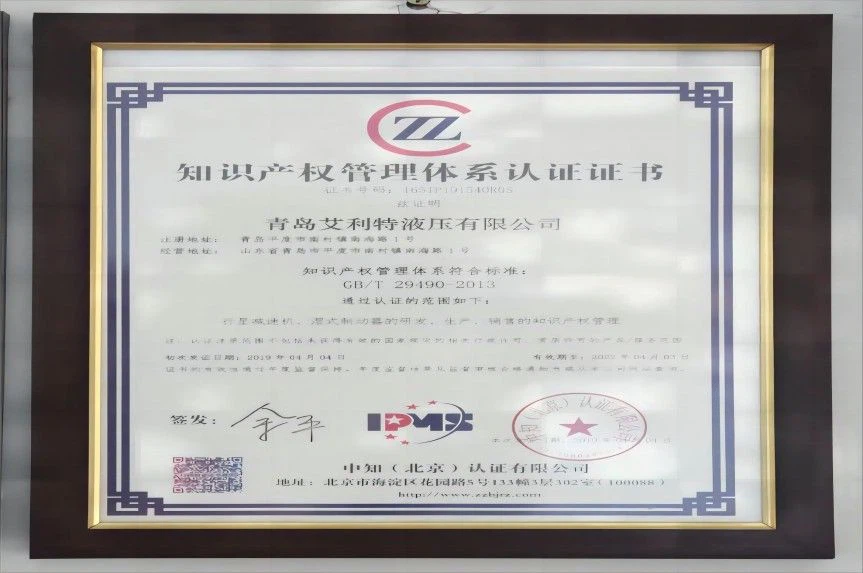
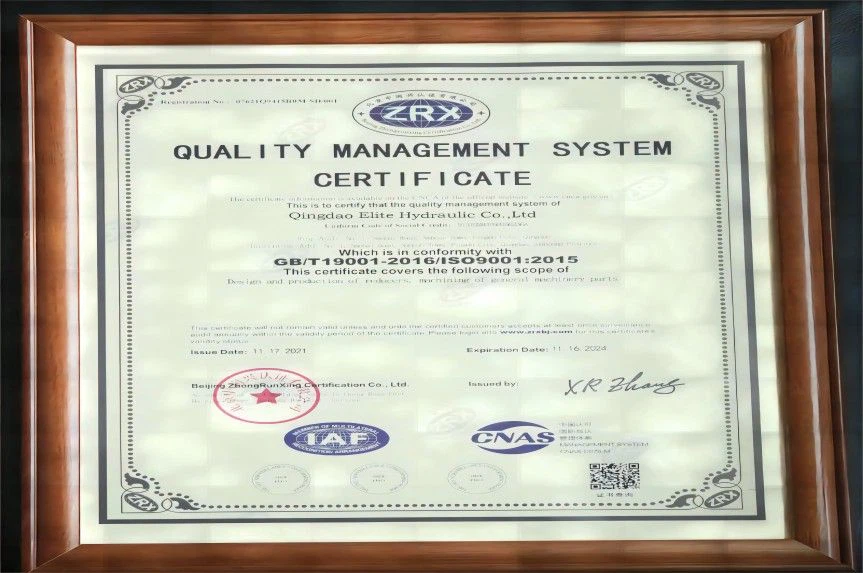
Our company has a complete organizational structure and quality management system, and has successively passed three major system certifications: ISO9001,IATF16949, and ISO14001.
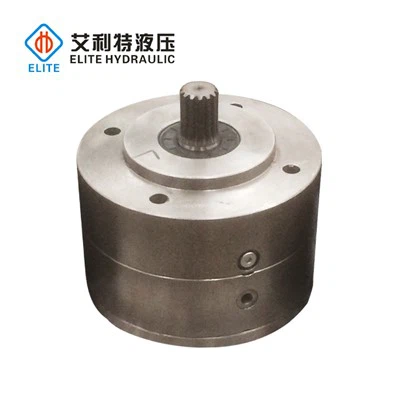

What is Brakes?
A brake is a mechanical device that inhibits motion by absorbing energy from a moving system. It is used for slowing or stopping a moving vehicle, wheel, axle, or to prevent its motion, most often accomplished by means of friction.
Most brakes commonly use friction between two surfaces being compressed to convert the kinetic energy of the moving object into heat, although other methods of converting energy can be used.
Other methods convert the kinetic energy in stored forms such as compressed air or pressurized oil into potential energy. Eddy current brakes use magnetic fields to convert kinetic energy into electrical current in the brakes disc, fin, or rail, which is converted into heat.
Benefits of Brakes
Regular brake maintenance is a must if you enjoy pushing your vehicle to its limits! Responsive brakes make handling tight turns a breeze, and regular service by an authorized dealer can increase your driving pleasure by improving your vehicle’s handling. Staying on top of your brake maintenance is essential when it comes to ensuring you’ll be able to handle those mountain passes and tempting straightaways with aplomb.
Well-functioning brakes play a critical role in keeping you and those around you safe — that includes you, your passengers, pedestrians, and other drivers. Getting your brakes serviced can increase the safety of your vehicle by increasing your ability to stop on a dime and proactively maneuver to avoid collisions.
Architectural design & planning cepteur sint occaecat cupidatat proident, taken possession of my entire soul, like these sweet mornings of spring which I enjoy with my whole...Architectural design & planning cepteur sint occaecat cupidatat proident, taken possession od my entire soul, like these sweet mornings of spring which I enjoy with my whole Lorem ipsum dolor sit ament, consectetur adipisicing elit,sed do eiusmod tempor incididunt labore et dolore magna aliqua. it enim ad minim veniam.
Vehicles in many jurisdictions must have properly working brakes to meet state inspection requirements. Keeping your car or SUV maintained can decrease future expenditures if you choose to move to a state that requires annual inspections. Regular attention to your brakes can reduce the chance you’ll need to perform significant repairs to legally hit the road if you relocate.
Regular maintenance can help keep your brakes functioning well for longer, which can reduce the number of times you need to service your car or SUV. Over time, it can also decrease the overall cost of owning your vehicle, as many owners find preventive maintenance extends the time between brake replacements. High-quality maintenance can often reduce long-term ownership costs.
Type of Brakes
Hydraulic brakes
The primary braking system used in most modern vehicles is the hydraulic braking system. Hydraulic braking systems use brake fluid to move parts like brake pads or shoes that enable your car to slow down.
The way hydraulic brakes work is pretty straightforward: brake fluid pressure is sent through the master cylinder whenever you engage the brake pedal, creating hydraulic pressure. This pressure pushes the brake fluid through the brake lines and down to each wheel. Once at the wheels, the brake fluid pushes friction material against either a rotor or brake drum, depending on the type of brake on the wheel.
Disc brakes
Even though disc brakes and drum brakes were invented around the same time, disc brakes didn’t become the preferred braking system until the 1950s. Disc brakes receive pressurized fluid from the master cylinder, similar to drum brakes. Except instead of a wheel cylinder with pistons, the fluid is sent to a caliper, which houses a set of brake pads. The fluid pressure causes the brake pads to squeeze a steel rotor that is attached to the spinning wheel. The friction from the brake pads on the rotor slows the spinning and brings your car to a stop.
Anti-lock brakes
Another type of brake within hydraulic systems is anti-lock brakes or ABS. Anti-lock brakes are automatic braking systems that activate in slippery or emergency situations. In slippery conditions or during hard emergency braking, your car may begin sliding out of control or skidding if your brakes lock up. Your ABS prevents this by automatically and rapidly pumping the brakes at faster-than-human speed — sometimes more than 15 times per second. However, ABS only works when you use the brake pedal.
Mechanical brakes
The first types of car brakes were operated mechanically, meaning they used a system of mechanical linkages that are manually controlled by a lever to transmit braking force. While most brake types have since evolved into hydraulic or regenerative systems, the parking brake still typically operates mechanically.
Parking brake
The parking brake, also known as a hand brake or emergency brake, is independent from your hydraulic braking system. It is still sometimes referred to as an emergency brake because its original purpose was to act as a failsafe if the main brakes broke down. Nowadays, it’s mostly just used for safe parking.
To stop a car, the brakes have to get rid of that kinetic energy. They do so by using the force of friction to convert that kinetic energy into heat. This hydraulic system multiplies the force of your foot on the brake pedal into enough force to apply the brakes and make the car stop.
Brakes work by converting kinetic energy (forward motion) into thermal energy (heat). The friction between the stationary brake pad and rotating disk or drum as it slides past the pad converts the motion of the wheel and tire into heat, much the way rubbing your hands together on a cold day will warm them up.
Bringing your car to a stop generates enough heat at each wheel to boil a liter of water in about 7 seconds. Brake temperatures can reach around 500°F during normal everyday use and can reach up to 1000°F under heavy or repetitive braking.
The brake disk or drum is designed to work as a heat sink and absorbs as much as 80% of the heat generated during stopping. Fortunately, it also makes a good radiator, cooling as it spins through the air on the way to the next stop.
The front brakes do most of the work as the vehicle’s weight pushes forward while stopping. Therefore, many vehicles are equipped with disc brakes on the front axle and drum brakes on the rear. A disc brake’s superior performance is largely due to its ability to generate friction as the brake calipers force the pads to clamp against the rotors.
The brake rotors are cleaned and dried by the brake pads dragging across them and the entire brake system is exposed to the air for efficient cooling. The advantages of rear drum brakes are lower cost and the ability to easily integrate a mechanical emergency/parking brake system.

Brakess rely on the interaction between magnets and conductive materials to generate braking force. When a brakes is activated, a magnetic field is created around the brake’s rotor. As the rotor rotates through this magnetic field, eddy currents are induced in the conductive material of the rotor. The interaction between the eddy currents and the magnetic field produces a braking force that opposes the rotor’s motion, creating friction and effectively slowing or stopping the motion.
One of the main components of a brakes system is the permanent magnet. Permanent magnets produce a constant magnetic field without the need for an external power source. In the case of electrobrakess, an electrical current is applied to create the magnetic field, which then acts on the system’s components to generate friction and the desired braking effect.
Hysteresis brakes operate differently than eddy current brakes. These brakes use a magnetic field generated by a permanent magnet or an electromagnet that interacts directly with the brake’s rotor, which is typically made of a magnetic material. The interaction between the magnetic field and the rotor results in a controlled braking action, with the amount of braking force determined by the strength of the magnetic field and the output from the rotor.
Brakess employ the principles of magnetism, motion, and friction to provide efficient and reliable braking solutions. Depending on the type of brake used, key components such as permanent magnets, electromagnetic coils, and rotors play vital roles in generating the necessary braking force. By understanding the fundamentals of brakess, you can appreciate their wide range of applications and benefits in various industries.
Brake Pedal
The pedal is what you push with your foot to activate the brakes. It causes brake fluid to flow through the system to put pressure on the brake pads.
Master Cylinder
The master cylinder is basically a plunger that is activated by the brake pedal. It is what holds the brake fluid and forces it through the brake lines when activated.
Converts non-hydraulic pressure into hydraulic pressure that the wheel cylinders use to press the brake pads against the rotors to bring the vehicle to a stop.
Brake Lines
Generally made of steel, brake lines are what carry the brake fluid from the master cylinder reservoir to the wheels where pressure is applied to stop the car.
Wheel Cylinders
The brake pads are connected to the wheel cylinders which either squeeze (disc brakes) or push apart (drum brakes) the brake pads when fluid flows into them.
Brake Pads
The brake pads are what actually rub against the drums or rotors. They are made of composite materials and designed to last for many, many thousands of miles. However, if you ever hear a grinding or howling noise when you try to stop your car it likely means it is time for new brake pads.

It makes no difference whether you're driving a vehicle with drum brakes or disc brakes; each type uses a similar mechanism to slow the vehicle. When people try to imagine how car brakes work, they usually think about the final step in the braking process, where the pads or shoes press down and slow your vehicle.
If you have disc brakes, you have brake pads, and when you have drum brakes, you have brake shoes. Either way, these specialized friction pads are designed to rub against a smooth metal surface and create an incredibly high amount of friction. The brake pads get pressed into rotors that are attached to each wheel hub. As the pads press into the rotors by way of one or more pistons inside the caliper, the wheels slow down until the vehicle comes to a stop. On vehicles with drum brakes, the brake shoes are pressed outward due to the brake pressure, and they rub against the spinning brake drums that are attached to the wheels of the vehicle.
No matter if you have drum brakes or disc brakes, your vehicle relies on hydraulic brake pressure that comes from putting pressure on the brake fluid to force the specific brake material your vehicle uses onto spinning metal surfaces attached directly to the wheels of your vehicle. The process is nearly the same, though the parts on the wheels are different.
Process of Brakes
Raw Material Procurement:
Raw materials like resins and fibers are combined in predetermined proportions. Any error in this step affects the entire production unit.
Mixing:
Measure and combine the raw materials in precise proportions using automated mixing equipment.
Thoroughly blend the mixture to achieve a uniform and homogenous composition, a crucial step to ensure consistent product quality.
Preforming:
Transfer the mixed material to a preforming machine, which shapes the mixture into a more compact form.
Verify the weightage of the input material during this process to maintain consistency.
Curing:
Introduce the preformed brake linings into a curing chamber where they undergo a high-pressure and high-temperature treatment.
This curing process strengthens the material, enhancing its ability to withstand extreme conditions.
Baking:
Subject the cured brake linings to a controlled baking process.
This step involves compressing the material between rolls and baking it at a specified temperature for a predetermined duration, ensuring the desired hardness and durability.
The cured material is baked to achieve the required hardness. For passenger cars, this involves compressing the wet mixture between rolls and baking at 300°F to 350°F for 10 to 15 hours.
Finishing:
Segment the baked brake linings into the required components.
Perform additional processes such as grinding, grooving, and riveting to meet specific product requirements and ensure optimal performance.
Visual Inspection:
Conduct a thorough visual inspection of the finished brake linings using both human senses and specialized equipment.
Identify and rectify any defects or irregularities to meet stringent quality standards.
Printing and Packaging:
Print the part names on the brake linings for identification.
Package the finished products using advanced packaging techniques, ensuring they are protected during transportation, storage, and handling.
How to Maintain Brakes
Properly maintained brakes are critical to car safety. Brake functionality can be affected by driving conditions, driver habits, quality of brake system materials, and type of vehicle. Driving conditions are unpredictable in many cases, and routine brake maintenance can prevent tragedy. Vehicle brake systems experience normal wear and tear and regular maintenance can assist with addressing problems early.
All brakes need servicing. Although most people do not think about brake maintenance and servicing, all brakes need to be serviced. Annual inspections can provide the peace of mind that comes with knowing your brakes are working correctly. These inspections can also provide an opportunity to get recommendations on replacement parts if your brakes are beginning to have severe wear and tear.
Warning signs include strange noises, hard pedal feel, low pedal feel, squealing, vibrations, illuminated dashboard light for brake service, pulsing, and brake grabbing. If you experience any of these warning signs, go directly to a professional that can assess the situation. Waiting for the brakes to be “metal on metal” can lead to tragedy or expensive repair bills (neither are desirable).
Qingdao Elite Hydraulic Co.,Ltd was founded in 2004 . Starting from the production of power transmission component parts for European and American customers.we have evolved into an established drivetrain manufacturer.providing product solution for modern powertrains of mechanical, hydrostatic, or electrically driven designs.
Certificates
Our company has a complete organizational structure and quality management system, and has successively passed three major system certifications: ISO9001,IATF16949, and ISO14001.