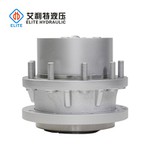


Winches
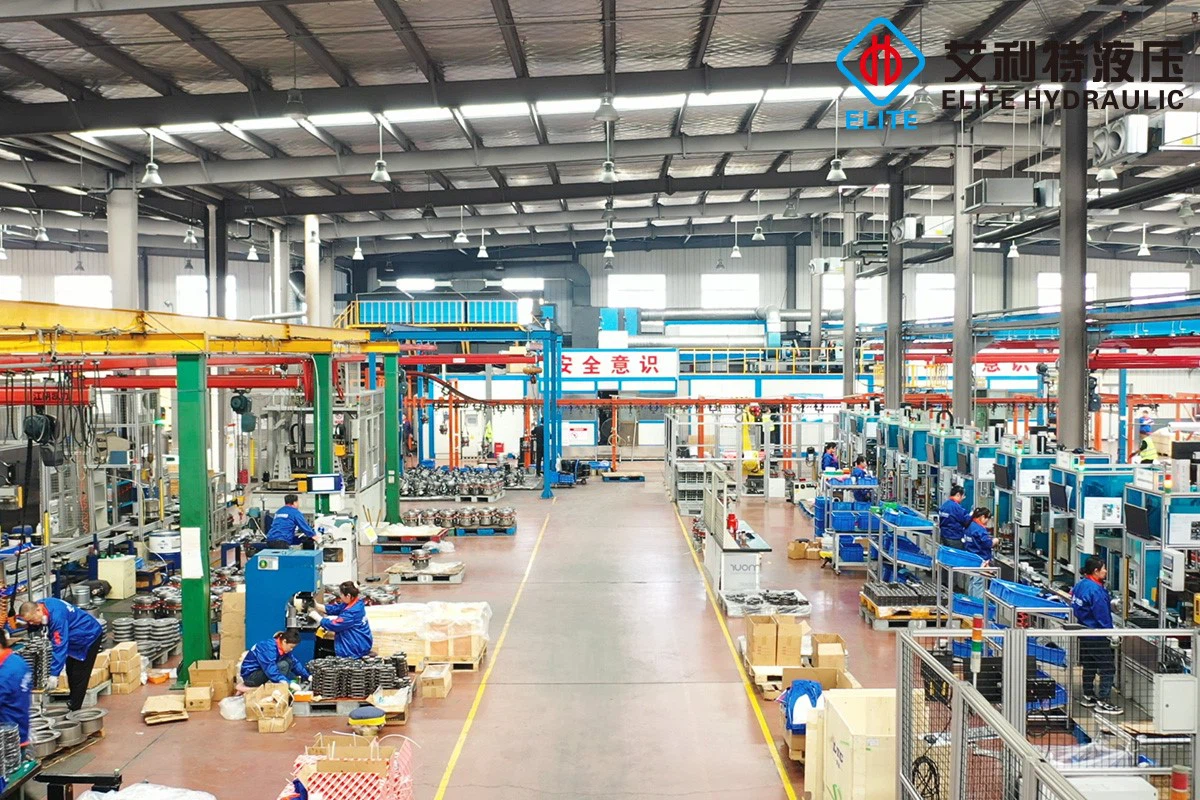
Qingdao Elite Hydraulic Co.,Ltd was founded in 2004 . Starting from the production of power transmission component parts for European and American customers.we have evolved into an established drivetrain manufacturer.providing product solution for modern powertrains of mechanical, hydrostatic, or electrically driven designs.
We manufacture and supply high quality travel drives,slewing drives,winch drives,cutter drives,transit mixer drives,twin shaft mixer drives ,pump drives,multiple disc brake,axle,machine tools spindle gearbox,and custom drivetrain systerms for both on and off highway markets and finding application in agriculture, forestry,construction,mining,concrete, AWP,airport ,marine & offshore,wind,machine Tools and special vehicles.
Why Choose Us
Professional Team
We have a strong R&D team,and we can develop and produce products according to the drawings or samples the customers offered.
Advanced Equipment
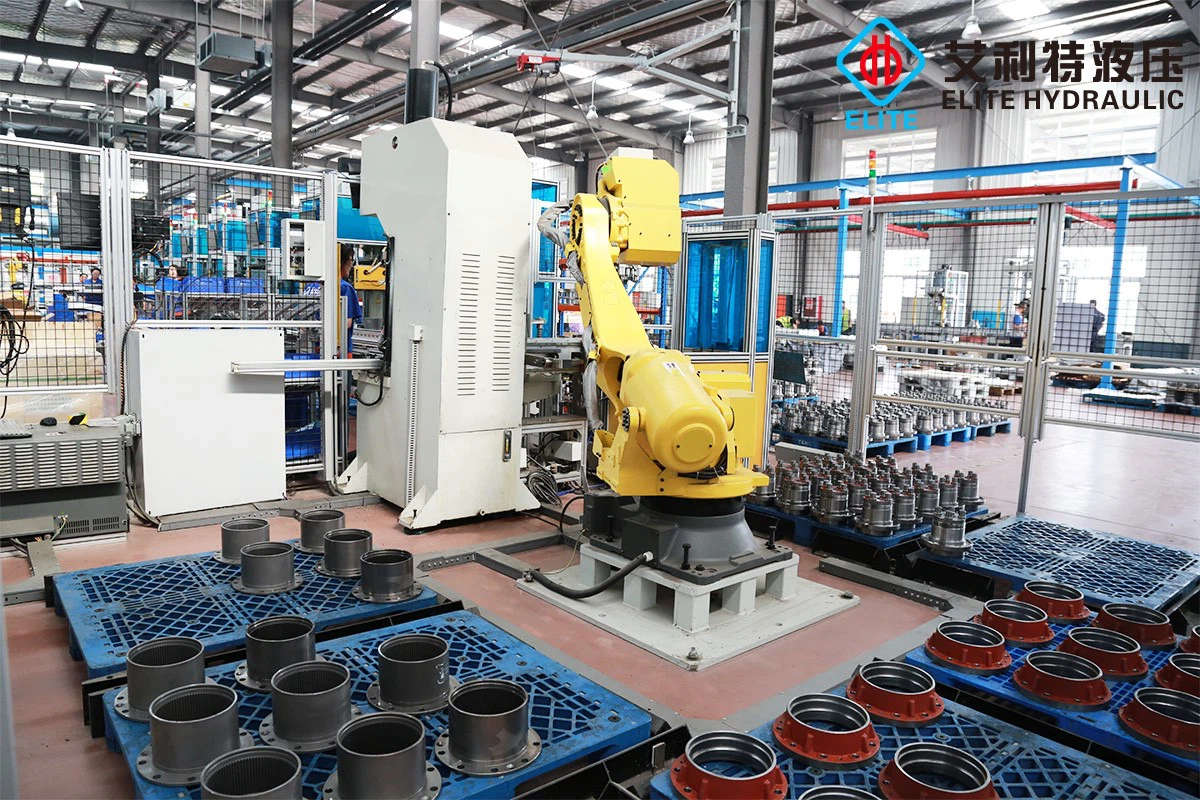
We have our own testing lab and the most advanced and complete inspection equipment,which can ensure the quality of the products.
Rich Experience
We focus on developing high-quality products for top-end markets.Our products are in line with international standards,and are mainly exported to Europe, America, and other destinations around the world.
Certificate
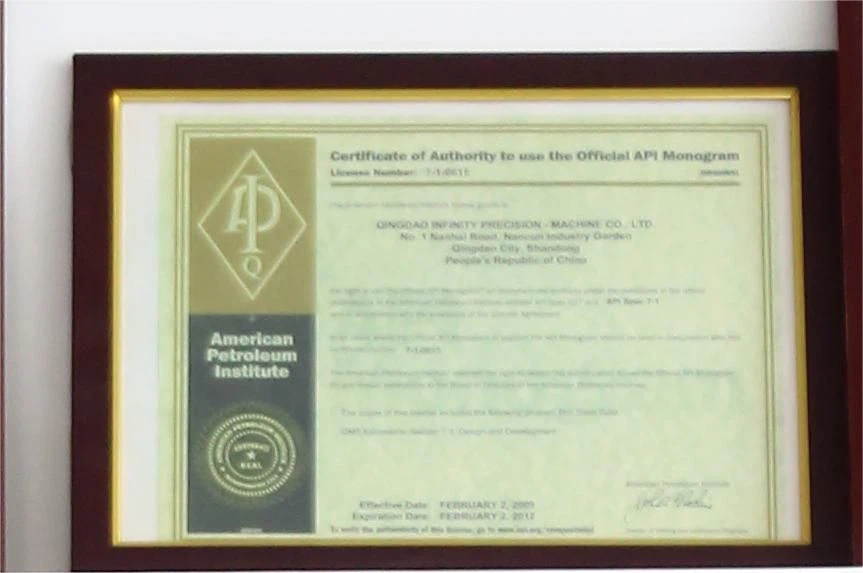
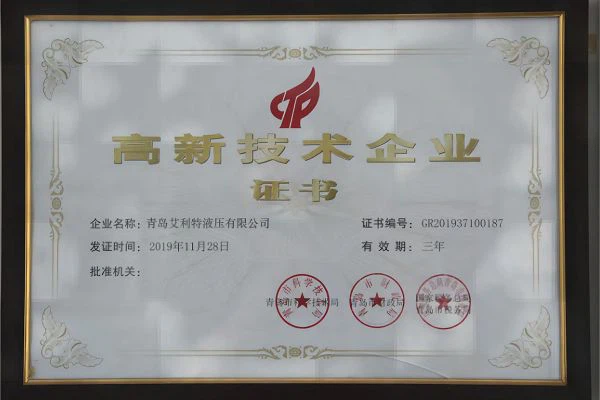
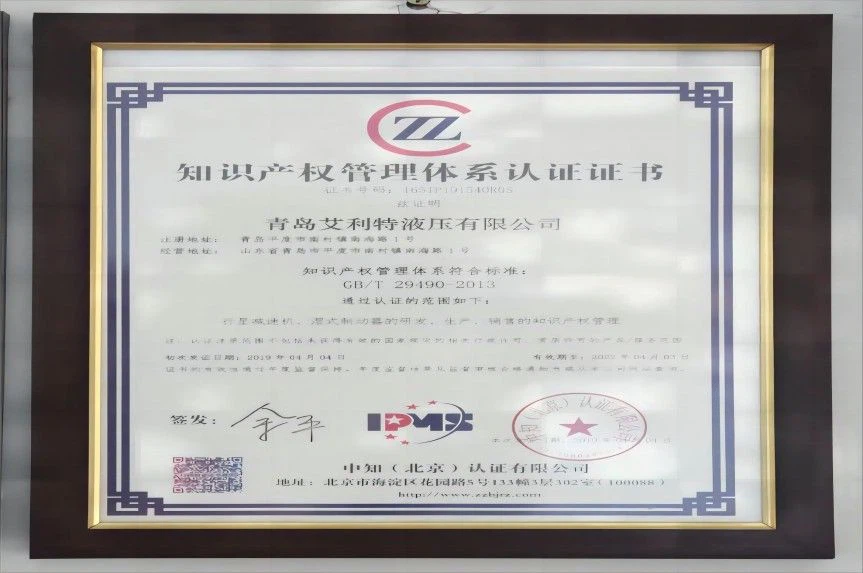
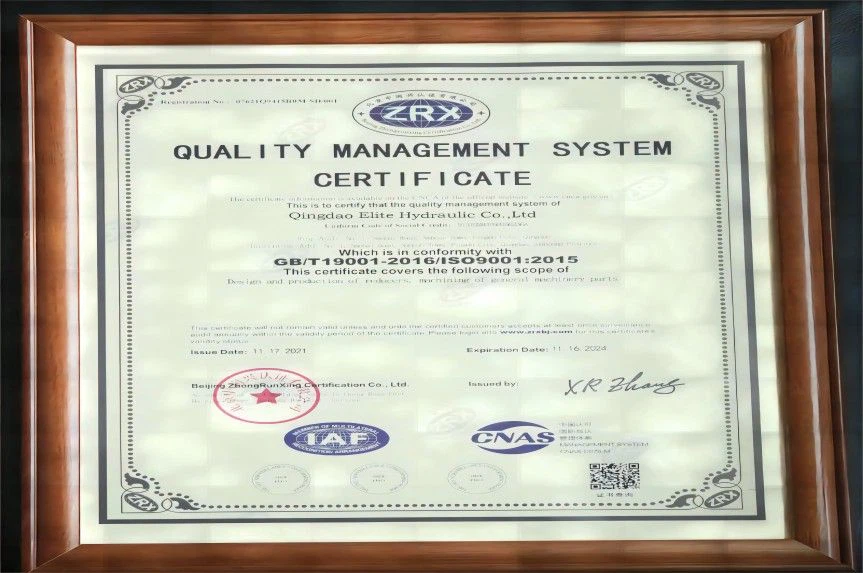
Our company has a complete organizational structure and quality management system, and has successively passed three major system certifications: ISO9001,IATF16949, and ISO14001.
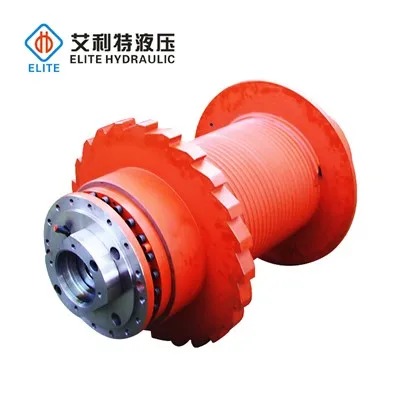

What is Winches?
A winches is a rotating spool, driven by a motor, that can tighten or loosen a cable. The cable generally has a hook at the end. Typically, a winches is attached to the front or rear bumper of a vehicle, although it can also sit at the front of a trailer. The primary function of a winches is to leverage that cable tension to pull a vehicle out of a difficult situation — whether it's stuck in mud, water, facing a steep incline, or unable to move under its own power.
A winches is a powerful tool essential for vehicle recovery and off-road adventures. Electric wincheses, operating on 12 volts, offer steel cable or synthetic rope options to pull multiple thousand pounds. Components like a drum, hook, gear set, clutch handle, and remote control form its essential parts.
Benefits of wincheses
The first and most obvious benefit of owning a wincheses is the ability to recover your vehicle when it gets stuck in mud, snow, or any other difficult terrain.
With other vehicles and a tow rope, you would probably be fine, but if you are alone then a wincheses could be your only option.
Whether you are cutting down some trees on your property for use or to create space, or you are a forestry professional, you will benefit greatly from bringing a wincheses to the job.
After a storm, fallen trees can block roads and trails. If you have a wincheses with you, you can quickly clear the road and carry on moving.
Wincheseses are popular tools in construction where heavy loads are common.
If you are working on soft ground and cannot use a pump truck to move a lot of goods at once then a wincheses can come in handy.
If you need to move a car or other vehicle that cannot drive itself, or you need to transport a boat overland, a wincheses can make the task much simpler.
There is a reason recovery vehicles always have a wincheses system in place. You could just as easily attach a wincheses to a regular vehicle or boat trailer and have your own makeshift recovery vehicle when you need it.
Finally, any situation where you need to haul some heavy goods around your property or a job site can usually be assisted with a wincheses.
If you have a lot of heavy equipment, heavy goods, or anything else with weight and no wheels, a wincheses might be the perfect tool to add to your collection.
Type of winches
Capstan winches
The simple capstan winches dates back thousands of years. This basic vertical axle around which rope lines wrap resembles a spindle. Originally powered by teams of animals or humans, capstans use leverage for lifting or moving heavy objects like ships, bridge trusses and large gates.
Modern self-tailing capstans have built-in rope tensioning mechanisms continually winding lines around the spindle. Applications include adjustable mooring bollards, theater rigging systems and sailboat halyard winches.
Steam wincheses
One historic winches variety uses steam power instead of electricity or hydraulics. Early steam winches consisted of double-drum hoisting spools, gearboxes and steam engine boilers providing rotation.
Modern self-propelled steam winches mount compact boiler systems onto versatile lifting/towing platforms. Coal- or oil-fired boilers power pistons, shafts and gears rotating drums lifting up to 50 tons.
Electric winches
Electric winches encompass an extensive range of capacities, designs and control systems across every industry. Electric motors spin a drum winding/unwinding wire rope or cable using gear reduction for heavier loads.
An electromagnetic brake prevents freespooling. Waterproof toggle switches or wireless remotes enable adjustable speed control for precision lifting and pulling tasks.
Hydraulic winches
Where electric models fall short, hydraulic winches’ unmatched capacities and control excel through brute force. Dedicated power packs generate hydraulic flow/pressure sent to piston motors or orbital gearboxes.
Durable hydraulic winches shrug off tough environments like mining, timber and heavy towing/salvage applications. On cranes and hoists, hydraulic wincheses precisely manipulate gigantic loads up to 1,000 tons.
Manual winches
Sometimes only manual power will do for lightweight portable applications. Hand crank wincheses provide a basic mechanical advantage for limited loads using human power instead of motors.
Manual winches utilize gear mechanisms like worm drives or epicyclic gearing reducing the effort for raising, lowering and holding lighter items up to 1000 lbf. Lower gear ratios facilitate reasonable rotation speeds cranking by hand.
Air winches
Pneumatic air motors power specialized winches designs for environments prohibiting electricity or hydraulics.
Rotary vane or turbine air motors drive gears connected to drums winding tethers or restraints. Onboard air compressors generate pneumatic power from diesel engines where sufficient plant air is unavailable.
Stainless steel
Stainless steel is a popular material for winches used in harsh environments because of its high corrosion resistance. It is also durable and able to withstand high temperatures and mechanical stress.
Aluminum
Aluminum is another corrosion-resistant material that is commonly used in winch construction. It is lightweight and has good strength-to-weight ratio, making it ideal for portable or mobile winches.
Bronze
Bronze is a strong and durable material that is used in winch construction when high strength and corrosion resistance are required. It is also resistant to wear and tear, making it ideal for heavy-duty applications.
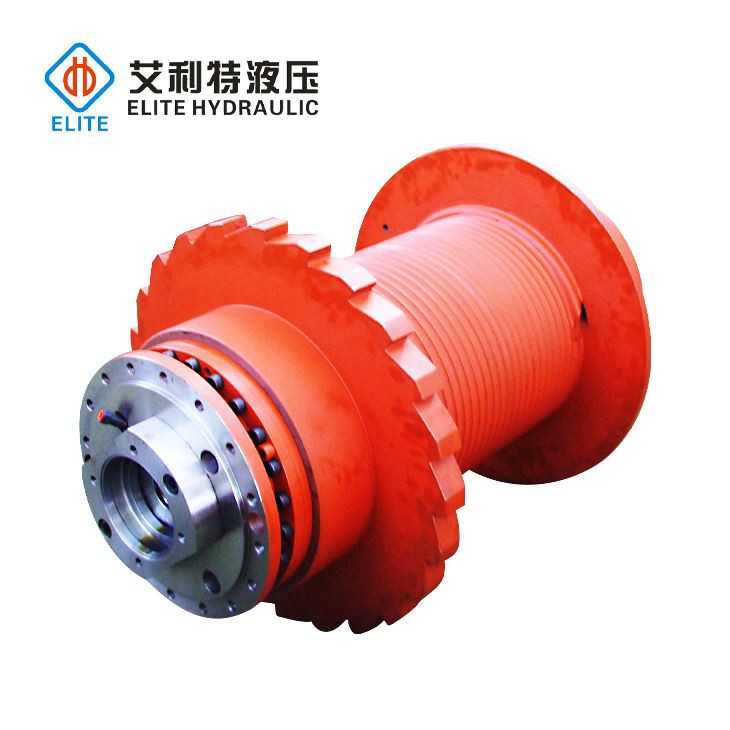

Synthetic materials
Some winches are constructed from synthetic materials such as nylon or polyester. These materials are lightweight, corrosion-resistant, and have a high strength-to-weight ratio, making them ideal for portable or mobile applications.
Coatings
In addition to selecting appropriate materials, winches used in harsh environments may also be coated with protective coatings such as powder coating, anodizing, or plating. These coatings provide an additional layer of protection against corrosion and wear and tear.
Pulling All-Terrain Vehicles out of Mud
ATVs can cross rivers and speed across grassy hills and rocky plains with ease. However, it’s also fairly common for ATVs to end up stuck when tackling muddy courses.Once mounted on the ATV, the winch’s wire cord can be connected to a nearby tree or solid object and used to pull the vehicle free.
Towing Automobiles
You may have already seen a winch in action on the back of a tow truck. With a winch installed on your automobile, you’ll be able to accomplish similar tasks yourself. These winches can be used to free a stuck car, whether it’s the car equipped with the winch or another vehicle that needs rescuing. They can bring smaller vehicles onto trailer beds for easy transport.
Docking Small Boats
While ships will do fine if left anchored at bay, smaller boats may have to be taken out of the water to prevent the growth of barnacles and algae. This also protects them from being damaged by floating debris and other impacts. A winch can help you with this by pulling your boat to the dock easily. You can also use winches on personal watercraft, such as jet skis, to bring them ashore at the end of the day.
Lifting, Trimming, and Felling Trees
One interesting use for winches is for maintaining or felling trees. It can be dangerous to cut a tree down or trim off a large branch without having control over where it will land, especially if the tree stands in a residential area. With a winch, you can tug on the tree or the branch you want to cut so that it falls in a particular direction. Winches are also useful for removing stumps and pulling up trees that have been blown over by storms.
Moving Heavy Equipment
Do you need to move generator sets or HVAC equipment around, or pull a brand new motor into position? You can reposition such equipment more easily if you use a winch. Some specially designed dual-purpose winches can switch between modes when they need to move personnel on suspended cradles or platforms instead.
How to Use a winches
Using a motorized winches when you need to pull your vehicle out by yourself usually involves the following steps:
- Plug the remote control into the winches by looking for the plug at the end of the cord and attaching it to the winches.
- Put on safety gloves to protect your hands while handling the rope.
- Anchor the winches to something stable, such as a boulder or another vehicle.
- Release the winches cable by using the disengage lever outside of the winches. It should either say “free spool” or “disengaged.”
- Pull the cable all the way to the anchor, then wrap a nylon strap (if you have one) onto the anchor.
- Hook a D-shackle onto the nylon strap and hook the winches to the D-shackle with the tip facing up.
- Engage the lever the same way you released the winches cable.
- Step out of the vehicle so you can watch the path of the vehicle when it’s moving. Use the remote to pull the winches cable.
- Clear the area to ensure no one’s in the vicinity then winches your vehicle slowly using the remote.
If you’re not alone, you can step inside the car to move the steering wheel and have the other person watch the vehicle’s path. Ask them to tell you if you need to move the steering wheel.
What Are the Parts of a winches?
Rope or Cable
The rope or cable is the component tethered to the vehicle and the anchor, allowing you to connect and pull the former out of a tough spot.
Gearing
The gears are essentially what makes the whole machine work. There are three different classes of Winches gears: Spur, planetary, and worm gears.
Spur gears are rare and don’t have the same pulling power as the other two. They’re efficient but lack a braking system. As such, spurs require an external system to maintain a safe process because an external brake ensures the load remains stationary when the crank is released.

Motor
The motor powers the gears that make the machine work. There are two types of electric motors, permanent magnet and series-wound motors.
The difference between the two is their power. Permanent magnets are usually for lighter loads, while series-wound motors are for heavier cargo because they’re stronger and more durable.
Solenoids
The solenoids are the components that turn the motor on or off and change the direction of the rope or cable when pulling. There are usually two or four solenoids in a single winches, depending on its motor.
Maintenance and Safety Tips for Winches
Clean and lubricate the winch regularly
Dirt, dust, and debris can accumulate on the winch, affecting its performance and durability. Clean the winch regularly and lubricate its moving parts with a high-quality lubricant.
Inspect the cable or rope
The cable or rope is one of the most important components of a winch. Inspect it regularly for wear and tear and replace it if necessary. Check for kinks, frays, and broken wires, and make sure it is properly tensioned.
Check the electrical connections
If you have an electric winch, check the electrical connections regularly for corrosion and loose connections. Tighten any loose connections and clean any corrosion with a wire brush.
Check the winch mounting
The winch should be securely mounted to a strong and stable surface. Check the mounting bolts regularly to ensure they are tight and in good condition.
How does a winches work
A winches works by using a spool, a rope or cable, and a motor or other power source to lift or pull heavy objects. Here is a detailed description of how a winches works:
Power Source
The first step in using a winches is to connect it to a power source. This can be an electric battery, a hydraulic pump, or some other type of power source.
Spool
The winches has a spool that is mounted on a shaft. The spool is the round drum that the rope or cable is wound around. The shaft is connected to the power source and is responsible for turning the spool.
Rope or Cable
The rope or cable is attached to the object that needs to be lifted or pulled. One end of the rope or cable is attached to the spool, and the other end is secured to the object.
Winches Activation
When the winches is activated, the power source causes the shaft to turn, which in turn rotates the spool. As the spool rotates, the rope or cable is either wound up or unwound, depending on the direction of the winches.
Lifting or Pulling
As the rope or cable is wound up, it lifts or pulls the object that is attached to it. This can be done in a controlled manner by adjusting the speed and direction of the winches.
Stopping the winches
Once the object has been lifted or pulled to its desired location, the winches can be stopped by turning off the power source or by engaging a brake mechanism. This prevents the rope or cable from unwinding and causing the object to fall or move in an uncontrolled manner.
Qingdao Elite Hydraulic Co.,Ltd was founded in 2004 . Starting from the production of power transmission component parts for European and American customers.we have evolved into an established drivetrain manufacturer.providing product solution for modern powertrains of mechanical, hydrostatic, or electrically driven designs.
Certificates
Our company has a complete organizational structure and quality management system, and has successively passed three major system certifications: ISO9001,IATF16949, and ISO14001.